

THE Spanish government is seeking to introduce a ‘digital card’ that will limit the number of times someone can access porn websites each month.
The online card will require users to identify themselves each time they visit a porn website, and limit their use to 30 times within a period of 30 days.
On top of that, they will only be able to access the same website three times within the period.
The stated purpose of the new ‘digital card’ is to stop children under 18 from being exposed to pornography.
The government is in talks with internet providers in Spain such as Movistar and Vodafone to block porn websites that refuse to sign up with the measures.
Previously, age verification on such platforms was minimal, simply asking users to click on a button to ‘prove’ they were over 18.
The newly implemented system aims to significantly beef up these checks, ensuring that only eligible adults can view the content.
The new proposals are part of a new government strategy for protecting children in the online realm.
Other measures will require that all electronics manufacturers build in parental controls to tablets and smartphones.
Minister for Digital Transformation Jose Luis Escriva outlined the plans during a presentation in Madrid on Monday.

The new porn restrictions, only for residents in Spain, will be housed within a ‘Spanish digital wallet’ app, which also stores other personal documents like residency certificates and university degrees.
There is also a desire to oblige web browsers and social media networks – mostly located in Ireland – to also sign up to the verification measures if they are hosting adult content.
The age verification feature within the app will use facial recognition, patterns, or codes to unlock, ensuring minimal personal data is exchanged to maintain privacy.
The Spanish government plans to roll out the app by late summer, starting with a beta version, as part of its policy on digital safety and child protection in the digital era.
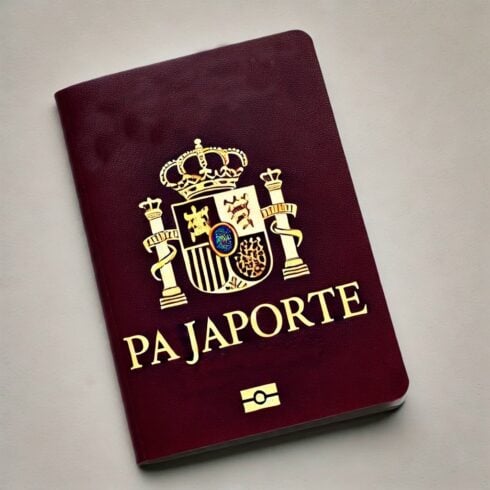
The proposals have already prompted a flood of humorous memes on social media, with images of a passport named pajaporte (‘wank-port’) doing the rounds.