
DOES anyone really know where items go when you put them in the recycling?
Eco-activists Greenpeace decided to find out, and traced the surprising global journey that recycled clothing goes on once it’s put into the depository.
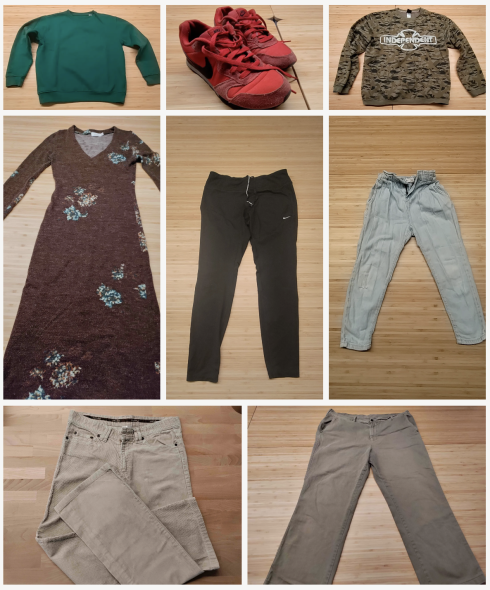
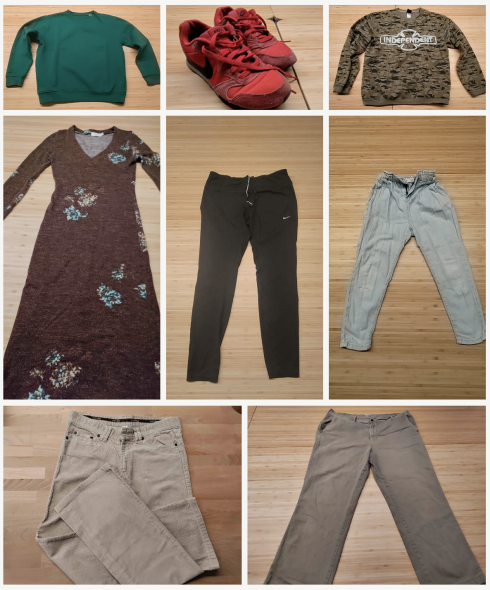
The environmental group tracked 29 garments using geolocators, providing real-time data on their whereabouts after being placed in clothing containers in various cities across Spain.
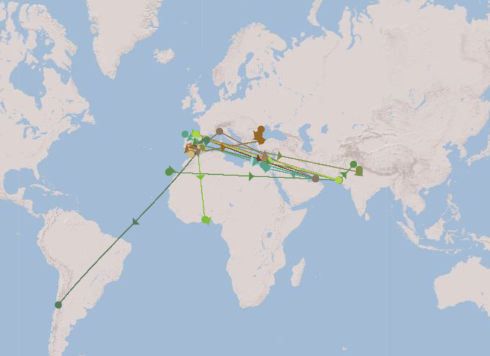
As of now, 14 of the 29 tracked items have been located in eight countries outside of Spain, with the United Arab Emirates and Pakistan being primary destinations.
Garments have also turned up locations as far-flung as India, Romania, Egypt, Morocco, Togo, and Chile.
This tracking highlights the extensive and complex routes used clothing takes, often spanning over four months to reach their final destinations.
Interestingly, Greenpeace’s study suggests that higher-quality clothing typically ends up in European countries, both within and outside the EU.
For instance, one of the tracked items travelled from Algeciras to Varna port in Bulgaria, then moved to Romania, where it was purchased in a second-hand store.
Conversely, a significant portion of used textiles from Europe, accounting for 41% according to the European Environment Agency in 2019, ends up in Asia.
Here, these textiles are often processed near ports or airports, converted into industrial rags or fillings, or re-exported for recycling or reuse in Africa.
Unfortunately, those that cannot be exported or recycled often end up in landfills.
In a stark example, five tracking devices were traced to the United Arab Emirates, with one garment later appearing in Egypt, indicating potential re-exporting practices.
READ MORE:
